Are Tsavo Parks Good for Bird Watching?
Are Tsavo parks good for bird watching? Yes. Tsavo East and Tsavo West are among Kenya’s most rewarding birding destinations because their immense combined landscape contains dry savannah, acacia woodland, river corridors, seasonal wetlands, permanent springs, volcanic hills, rocky escarpments, and open plains. These contrasting environments support hundreds of resident and migratory bird species throughout the year.
Tsavo East is particularly attractive to travelers interested in dry-country birds, raptors, large terrestrial species, and open habitats where birds can be easier to detect. Tsavo West introduces a different birding experience through its wooded valleys, Mzima Springs, Ngulia Hills, Lake Jipe, volcanic landscapes, and important migration routes.
Birding in Tsavo is not limited to building a long checklist. The parks offer an opportunity to understand how water, vegetation, geology, weather, and wildlife influence bird distribution. An African fish eagle calling above a wetland, a secretarybird walking across open country, or a flock of migratory birds arriving after a long journey can become as memorable as seeing elephants or lions.
This professional guide from Ngeye Uganda Tours explains where to go, what types of birds may be encountered, when to visit, how long to stay, what to pack, and how to combine birdwatching with a broader wildlife safari.
Quick answer: Tsavo East is generally better for observing dry-country birds and raptors across open terrain. Tsavo West is particularly rewarding for habitat diversity, water-associated birds, woodland species, and seasonal migration around Ngulia. Combining both parks provides the most complete Tsavo birding experience.
Why Are the Tsavo Parks Excellent for Birdwatching?
The strength of Tsavo as a birding destination comes from its extraordinary scale and ecological variety. Birds requiring open grassland can occupy the plains, while kingfishers, herons, and other water-associated species use rivers, springs, dams, and wetlands. Woodland species find cover in acacia and riverine vegetation, while raptors use open skies, cliffs, and tall trees for hunting and nesting.
Tsavo also lies within a region used by migratory birds moving between Eurasia and Africa. During the appropriate months, resident birds are joined by migrants, increasing the variety that patient observers may encounter.
Compared with small or heavily visited reserves, Tsavo can feel remote and uncrowded. This atmosphere helps birdwatchers listen for calls, study behavior, and spend time at productive habitats without constantly moving between vehicles.
The parks also support classic African mammals, enabling visitors to combine birdwatching with conventional game viewing. Elephants, giraffes, zebras, buffaloes, antelopes, lions, and other wildlife may be encountered while searching for birds, although all sightings depend on natural animal movements.
Tsavo East vs Tsavo West for Birdwatching
| Birding Feature | Tsavo East | Tsavo West |
|---|---|---|
| Main habitats | Open plains, dry bush, acacia woodland, dams, seasonal rivers, and the Galana River | Woodland, hills, rocky slopes, springs, wetlands, volcanic areas, and open savannah |
| Birding character | Open-country observation, raptors, dryland birds, and large terrestrial species | Habitat-focused birding, waterbirds, woodland species, and seasonal migrants |
| Visibility | Birds can be easier to detect across open landscapes | Dense vegetation may require more listening and patient searching |
| Notable birding areas | Galana River, Aruba Dam, Mudanda Rock, seasonal waterways, and open plains | Mzima Springs, Ngulia Hills, Lake Jipe, wooded valleys, and volcanic landscapes |
| Best suited to | Photographers and birders who prefer open-country species | Birders seeking varied habitats and migration-focused experiences |
What Makes Tsavo East Good for Birdwatching?
Tsavo East’s extensive plains and relatively open habitats help birdwatchers detect species from a distance. Large ground-dwelling birds, raptors, colorful starlings, hornbills, bee-eaters, rollers, and dry-country specialists may be encountered along established game-drive routes.
Representative birds associated with the wider dryland environment can include Somali ostriches, vulturine guineafowl, golden-breasted starlings, eastern chanting goshawks, secretarybirds, hornbills, bustards, rollers, and various eagles. Presence and visibility change with season, location, rainfall, food availability, and daily activity.
Tsavo East is also attractive to bird photographers. Its open spaces provide uncluttered backgrounds, while the red soil and expansive skies create distinctive compositions. Birds perched on acacias, raptors circling overhead, and terrestrial species walking through the plains can be easier to photograph than birds hidden within dense woodland.
Birdwatching Along the Galana River
The Galana River creates one of Tsavo East’s most productive birding environments. Riverine trees and water attract kingfishers, herons, egrets, cormorants, raptors, waders, and numerous smaller birds.
Species composition changes with water levels and seasonal conditions. Migratory birds may join residents during part of the year, while flowering and fruiting trees attract insects and smaller species.
The river also attracts mammals and reptiles, allowing birding to be combined with general wildlife observation. Visitors must remain in authorized areas because crocodiles, hippos, elephants, and other potentially dangerous animals may inhabit the river environment.
Aruba Dam and Seasonal Water Sources
Aruba Dam can become a productive observation point when water and habitat conditions are suitable. Birds may gather to drink, feed, hunt insects, or search for aquatic prey.
Seasonal streams, pools, and drainage channels can also attract birds after rainfall. Because temporary water sources change considerably, an experienced guide’s current knowledge becomes particularly valuable.
Raptors and Large Terrestrial Birds
Tsavo East’s open country provides hunting and scavenging opportunities for eagles, buzzards, kestrels, vultures, and other raptors. Large terrestrial birds may also be observed moving across the plains.
Identification can be challenging because many raptors appear similar at a distance or change plumage according to age. Good binoculars, a field guide, and an experienced birding guide improve the quality of observation.
Why Is Tsavo West Special for Birdwatchers?
Tsavo West’s strength lies in habitat diversity. A birding day can move between dry savannah, wooded valleys, rocky hills, clear springs, wetlands, and volcanic terrain. Each environment introduces different species and observation techniques.
Dense vegetation may make some birds harder to see, but calls often reveal their presence. Birding in these habitats becomes a more attentive experience involving listening, watching canopy movement, and studying feeding behavior.
The park is especially valuable for visitors interested in combining birds with scenery. Even between sightings, travelers can appreciate lava formations, forested slopes, natural springs, and elevated viewpoints.
Birdwatching at Mzima Springs
Mzima Springs creates a green oasis within Tsavo West. Water, overhanging trees, riverine vegetation, and surrounding woodland can attract kingfishers, herons, cormorants, raptors, weavers, starlings, and other birds.
The springs are also associated with fish, monkeys, hippos, and crocodiles. Wildlife sightings and water visibility cannot be guaranteed, and visitors must follow all safety instructions while using designated paths.
Morning visits can be rewarding because temperatures are cooler and bird activity may be higher. However, the ideal visiting time should be coordinated with accommodation location, road conditions, and the wider game-drive plan.
Ngulia and Seasonal Bird Migration
The Ngulia area of Tsavo West is internationally known among ornithologists for seasonal bird migration. Under suitable weather and migration conditions, large numbers of Palearctic birds may pass through the region during their journeys between Eurasia and Africa.
Long-term bird-ringing and monitoring activities have helped researchers study migration routes, species movements, age, physical condition, and survival. Specialist visitors interested in this phenomenon should travel during the relevant migration period and confirm current research or visitor arrangements in advance.
Migration intensity varies between years and even between nights. Weather, cloud cover, wind, rainfall, moonlight, and other environmental factors affect bird movements, so no volume or particular species can be guaranteed.
Lake Jipe and Wetland Birding
Lake Jipe lies along the Kenya–Tanzania border and provides wetland habitats that contrast with Tsavo’s dry interior. Depending on water levels and access conditions, visitors may encounter waterbirds, waders, kingfishers, herons, egrets, cormorants, raptors, and other wetland-associated species.
The lake is located away from some commonly used Tsavo West routes. Travelers who specifically want to visit should include it during itinerary planning rather than assuming it can be added spontaneously.
Woodland and Volcanic Habitats
The wooded areas and volcanic slopes of Tsavo West support birds that may not be as visible on the open plains. Hornbills, flycatchers, sunbirds, starlings, barbets, woodpeckers, raptors, and other species may occur according to habitat and season.
Shetani Lava Flow itself appears harsh and sparsely vegetated, but its edges and surrounding habitats can still offer birding opportunities. Chaimu Crater, Roaring Rocks, and the Ngulia Hills also introduce elevation and geological variety.
Representative Birds to Look for in Tsavo
The following table highlights bird groups and representative species that may occur within the broader Tsavo ecosystem. It is not a guaranteed checklist, and some species can be local, seasonal, uncommon, or difficult to detect.
| Bird Group | Representative Birds | Where to Search |
|---|---|---|
| Dry-country birds | Somali ostrich, vulturine guineafowl, golden-breasted starling, and hornbills | Open plains, dry bush, and acacia woodland |
| Raptors | Eagles, buzzards, kestrels, vultures, and chanting goshawks | Open country, cliffs, tall trees, river corridors, and thermals |
| Water-associated birds | Kingfishers, herons, egrets, cormorants, and waders | Mzima Springs, Lake Jipe, Galana River, dams, and seasonal pools |
| Colorful savannah birds | Bee-eaters, rollers, starlings, sunbirds, and barbets | Woodland edges, flowering trees, riverine vegetation, and open bush |
| Migratory birds | Various warblers, flycatchers, thrushes, nightjars, and other seasonal visitors | Ngulia, woodland, wetlands, and suitable seasonal habitats |
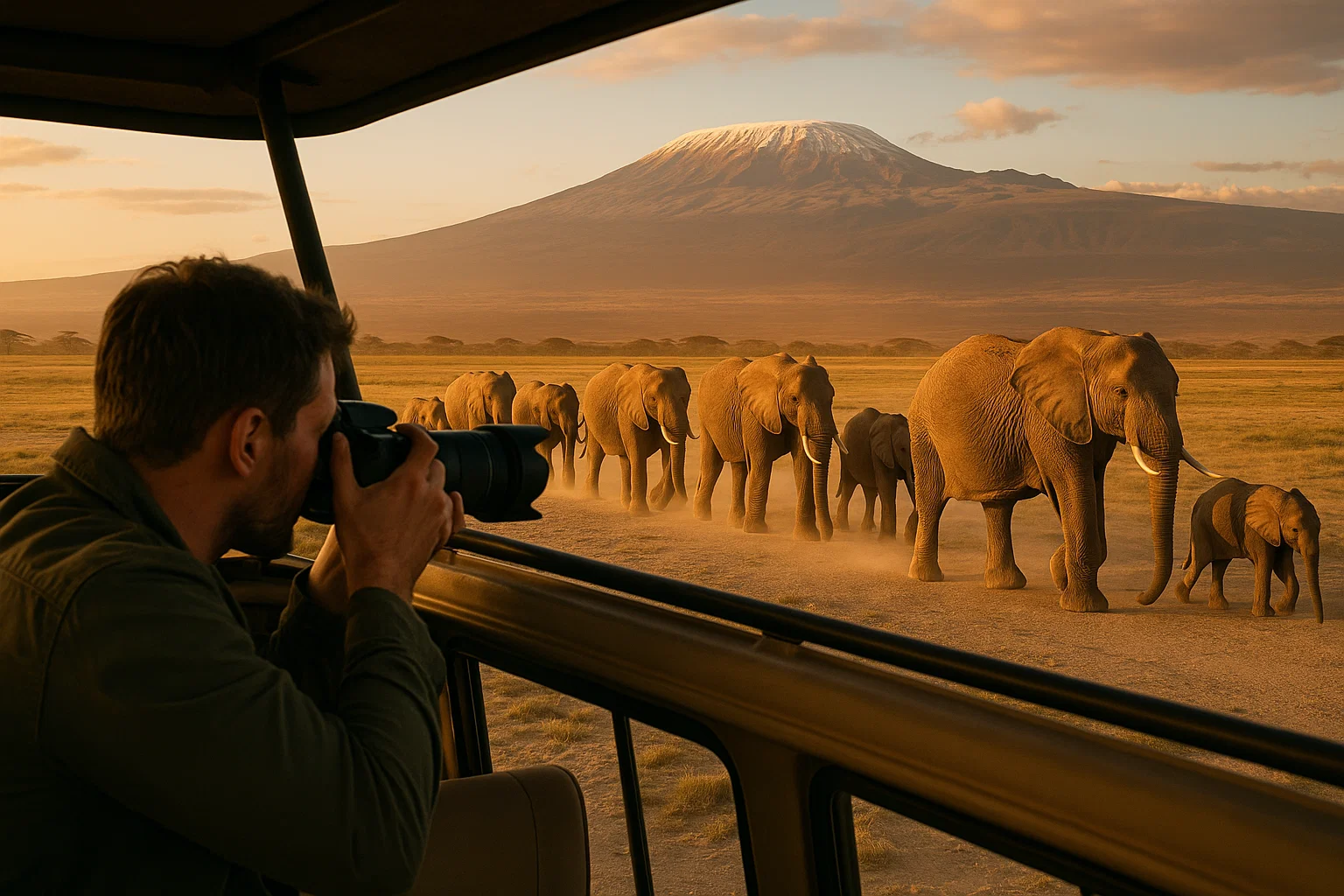
When Is the Best Time for Birdwatching in Tsavo?
Birdwatching is possible throughout the year because Tsavo supports a substantial resident bird community. However, the most suitable period depends on whether the traveler prioritizes resident birds, migrants, photography, accessibility, or general wildlife viewing.
October to April: Migrants and Green Landscapes
Approximately October to April is an important period for many migratory birds visiting East Africa from Eurasia. Resident species are joined by seasonal visitors, potentially increasing checklist diversity.
Rainfall can produce greener scenery, flowering vegetation, insects, and increased breeding activity among some resident species. Roads can become wet or difficult in certain areas, and rain patterns vary between years.
June to October: Drier Conditions and Easier Visibility
The generally drier months can make travel easier and reduce vegetation density in some habitats. Birds may concentrate near rivers, springs, dams, and remaining water sources, although this depends on local conditions.
This period also suits travelers who want to combine birdwatching with conventional wildlife viewing. However, some seasonal migrants will be absent.
November and December Around Ngulia
Birders interested in migration monitoring around Ngulia often focus on the period when migrant movements and suitable weather conditions coincide. Exact dates and activity vary annually, so specialist arrangements should be confirmed with current local information.
Birding reality: Seasons describe general patterns rather than guarantees. Rainfall, food supply, water levels, wind, migration timing, and habitat conditions can change which birds are present and how easily they can be observed.
What Is the Best Time of Day for Birdwatching?
Early morning is generally the most productive period because temperatures are cooler and many birds are actively calling and feeding. Soft morning light also benefits photography.
Late afternoon can provide another period of increased activity as temperatures fall. Raptors may be observed using rising air currents during warmer parts of the day, while nocturnal species require specialized timing and authorized arrangements.
A dedicated birding itinerary should avoid treating midday as wasted time. Water sources, shaded woodland, lodge grounds, and elevated viewpoints can remain productive, particularly when guides understand local species behavior.
How Many Days Do You Need for a Tsavo Birding Safari?
Two nights in either Tsavo East or Tsavo West provide an introduction but will only cover a limited range of habitats. Three nights in one park allow more patient observation and repeat visits to productive areas.
A serious combined birding safari should allocate approximately five to seven nights across Tsavo East and Tsavo West. This duration creates time for open-country birds, river habitats, Mzima Springs, Ngulia, woodland species, and selected wetland environments.
Bird photographers and travelers seeking seasonal migrants may require additional time because weather, light, and bird movements can change quickly.
Do You Need a Specialist Birding Guide?
A specialist guide is highly valuable, particularly for travelers building a detailed checklist. Many birds are identified initially by call, habitat, flight pattern, silhouette, or subtle differences in plumage.
An experienced guide can distinguish similar species, recognize calls, locate productive habitats, and plan the day around light, temperature, water, and recent sightings. Guides also help ensure that birdwatching remains safe and respectful around large wildlife.
Casual birdwatchers can still enjoy Tsavo with a knowledgeable general safari guide, but specialists should request birding expertise during the booking process.
What Should You Pack for a Tsavo Birding Safari?
Binoculars are the most important item for a birding journey. A comfortable pair with good light transmission allows extended observation without causing unnecessary eye strain. A spotting scope can help at wetlands and distant viewpoints but may be less convenient during frequent vehicle stops.
Carry an up-to-date East African bird guide, notebook, checklist, or offline birding application. Mobile applications should be downloaded before entering the park because internet coverage may be unreliable.
Photographers should pack a suitable telephoto lens, spare batteries, memory cards, lens-cleaning materials, and dust protection. A beanbag can provide stable support from a safari vehicle without requiring a tripod.
Neutral-colored, breathable clothing, a warm morning layer, closed shoes, a hat, sunscreen, insect repellent, prescribed medication, and a reusable water bottle improve comfort. Bright clothing is not automatically disastrous, but neutral tones reduce distraction and suit the safari environment.
Where Should Birdwatchers Stay in Tsavo?
The most suitable accommodation depends on the habitats a traveler wants to explore. In Tsavo East, properties with convenient access to the Galana River, Aruba Dam, open plains, or wooded corridors can support varied birding.
In Tsavo West, accommodation location should be considered in relation to Mzima Springs, Ngulia, Lake Jipe, wooded valleys, and volcanic areas. These attractions are widely separated, and no single lodge provides equally convenient access to all of them.
Lodge grounds can also be productive. Flowering plants, mature trees, water features, and surrounding bush may attract birds before breakfast or between game drives. Wildlife sightings at accommodation remain unpredictable.
Ngeye Uganda Tours helps travelers select accommodation according to route, birding interests, comfort preferences, travel season, and budget rather than assuming one property suits everyone.
Can Birdwatching Be Combined with Wildlife Viewing?
Birding and wildlife viewing combine naturally in Tsavo. The same river that attracts kingfishers may also reveal elephants, crocodiles, or hippos. Open plains used by secretarybirds and ostriches can support zebras, giraffes, buffaloes, antelopes, and predators.
A customized itinerary allows time to observe both birds and mammals without forcing one interest to dominate. Private vehicles are especially useful because travelers can stop for smaller birds rather than following a fixed general-safari schedule.
Tsavo can also be combined with Amboseli, Nairobi, Mombasa, and Kenya’s coast. Explore other destinations using our guide to Kenya’s national parks or review available journeys on the Ngeye safari packages page.
Responsible Birdwatching in the Tsavo Parks
Birdwatchers should maintain an appropriate distance from nests, roosting sites, feeding areas, and young birds. Vehicles should remain on authorized tracks unless park regulations explicitly permit otherwise.
Recorded calls must be used cautiously, if at all. Excessive playback can disrupt territorial behavior, breeding, feeding, and communication. Guides and visitors should prioritize the birds’ welfare over photographs or checklist targets.
Flash should be avoided when it risks disturbing nocturnal or nesting birds. Visitors must not remove feathers, eggs, plants, stones, or any other natural material.
Noise should be minimized, litter removed, and group movement controlled around sensitive habitats. Responsible birding protects the wildlife that makes Tsavo valuable.
Why Explore Tsavo with Ngeye Uganda Tours?
Successful birding requires more than arriving with binoculars. Accommodation, travel dates, park gates, habitat selection, daily timing, guide knowledge, migration periods, and the desired balance between birds and mammals all influence the final experience.
Ngeye Uganda Tours creates customized safari itineraries based on individual interests, available time, preferred comfort, photographic goals, and budget. We can combine Tsavo East and Tsavo West or connect them with other destinations across Kenya and East Africa.
Learn more about Ngeye Uganda Tours, browse our safari packages, or contact our team to request a personalized birding journey.
Plan Your Tsavo Birding Safari
Explore dry-country birds, river habitats, natural springs, migration routes, wetlands, volcanic landscapes, and classic African wildlife on one carefully designed journey.
Frequently Asked Questions About Birdwatching in Tsavo
Are Tsavo East and Tsavo West good for birdwatching?
Yes. Both parks offer excellent birdwatching because they contain open plains, dry woodland, rivers, springs, wetlands, rocky areas, and seasonal migration routes.
Which is better for birdwatching, Tsavo East or Tsavo West?
Tsavo East is excellent for open-country and dryland birds, while Tsavo West offers greater habitat variety, water-associated species, and seasonal migration opportunities. Combining both provides the strongest experience.
What birds can be seen in Tsavo East?
Possible sightings include Somali ostriches, vulturine guineafowl, golden-breasted starlings, hornbills, bee-eaters, rollers, secretarybirds, chanting goshawks, eagles, and various water-associated birds.
What birds can be seen in Tsavo West?
Tsavo West can reveal kingfishers, herons, egrets, cormorants, hornbills, sunbirds, starlings, raptors, woodland birds, waterbirds, and seasonal migrants. Sightings depend on habitat and season.
When is the best time for birdwatching in Tsavo?
Birding is possible throughout the year. Approximately October to April can introduce migratory birds and green landscapes, while drier months can improve road access and visibility in some habitats.
How many days are recommended for a Tsavo birding safari?
Two or three nights provide an introduction to one park. A comprehensive itinerary combining Tsavo East and Tsavo West should generally allocate five to seven nights.
Do I need a specialist birding guide?
A specialist guide is recommended for travelers interested in detailed identification, bird calls, migration, photography, or building an extensive checklist.
Can birdwatching be combined with a conventional wildlife safari?
Yes. Tsavo supports elephants, giraffes, zebras, buffaloes, antelopes, predators, and many other animals, making it easy to combine birding with traditional wildlife viewing.
Are particular bird sightings guaranteed?
No. Bird presence and visibility depend on season, rainfall, food, water, habitat conditions, migration timing, weather, and natural behavior.