Can I See Mount Kilimanjaro from Amboseli National Park?
Yes, you can see Mount Kilimanjaro from Amboseli National Park when weather conditions are clear. The mountain rises across the international border in Tanzania, but its enormous profile dominates the southern horizon when viewed from the open plains of Amboseli in Kenya.
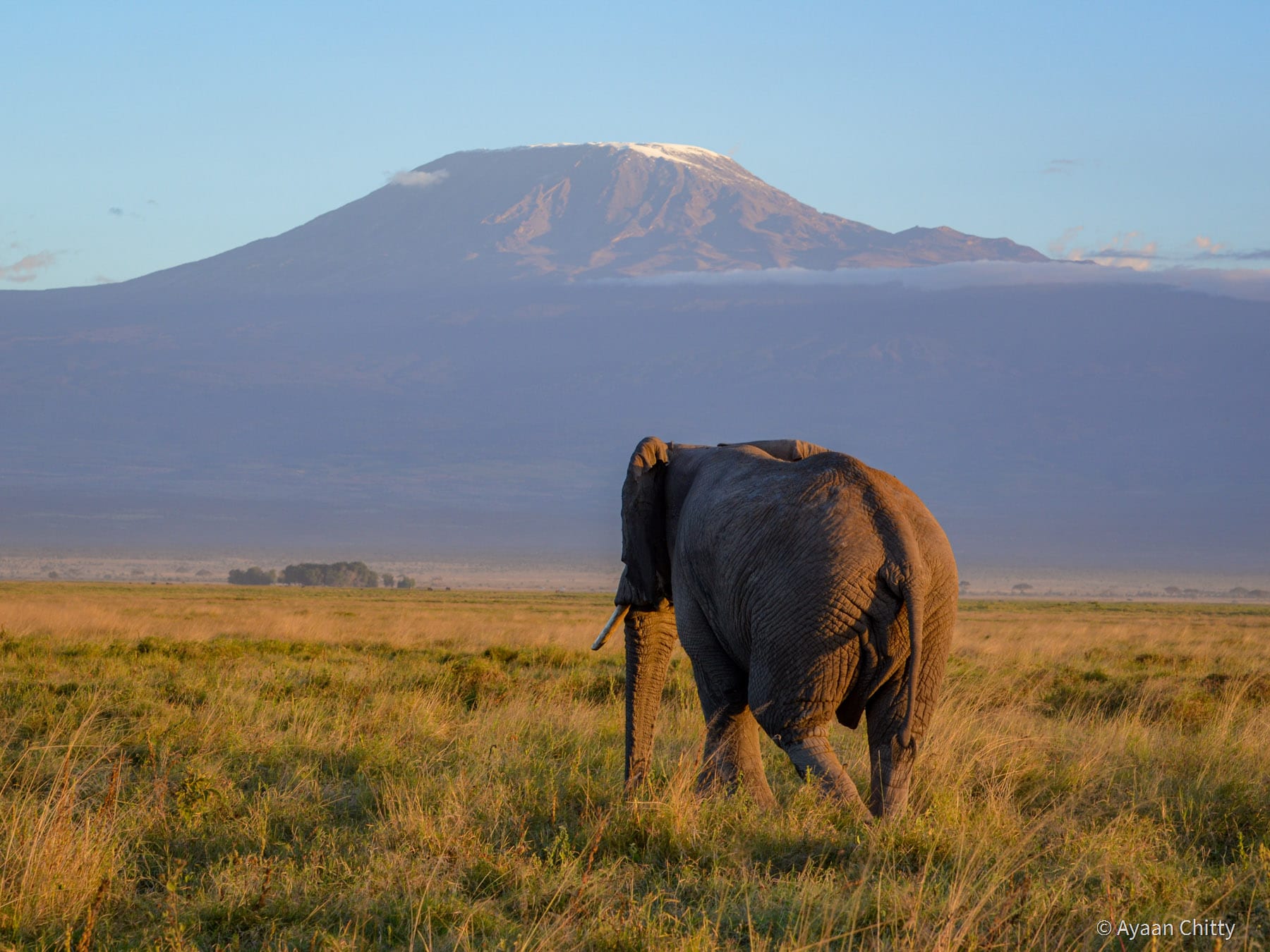
This remarkable combination of mountain scenery and wildlife has made Amboseli National Park one of the most photographed safari destinations in East Africa. On a clear morning, travelers may watch elephants, giraffes, zebras or wildebeests crossing the plains with Africa’s highest mountain appearing behind them.
However, Mount Kilimanjaro is not visible throughout every day. Clouds frequently develop around the mountain, particularly as temperatures rise. Visibility depends on the season, time of day and daily weather conditions. Travelers should therefore allow several viewing opportunities rather than planning their entire safari around one morning.
Beyond its famous mountain views, Amboseli offers rewarding elephant encounters, productive wetlands, rich birdlife and opportunities to learn about Maasai culture. These attractions make it an excellent addition to professionally organized Kenya safaris.
Ngeye Uganda Tours creates personalized Amboseli itineraries for photographers, couples, families, private groups and travelers combining several East African destinations.
Why Can Mount Kilimanjaro Be Seen from Amboseli?
Amboseli National Park is situated in southern Kenya, close to the border with Tanzania. Mount Kilimanjaro is located across that border in northern Tanzania, but its height and proximity make it highly visible from several parts of the Amboseli ecosystem.
Kilimanjaro reaches approximately 5,895 metres above sea level and is Africa’s highest mountain. Its vast volcanic formation rises dramatically above the surrounding plains, allowing it to be seen from considerable distances when clouds, haze and dust do not obscure the view.
Amboseli’s generally flat terrain also contributes to its exceptional viewing conditions. Open grasslands, seasonal lakebeds and low vegetation create broad sightlines with relatively few natural obstacles.
This geographical relationship allows travelers to enjoy one of Africa’s classic safari scenes: wildlife roaming through Kenya with Mount Kilimanjaro rising across the border in Tanzania.
When Is the Best Time of Day to See Mount Kilimanjaro from Amboseli?
Early morning usually provides the best opportunity to see Mount Kilimanjaro clearly from Amboseli. The atmosphere is often cooler and cleaner before daytime heat causes clouds to develop around the summit.
Sunrise and Early-Morning Viewing
A game drive departing before or around sunrise can place travelers in a suitable viewing area while the mountain is still visible. Soft morning light may illuminate Kilimanjaro’s upper slopes while casting warm colors across the park’s grasslands.
Morning drives can also be productive for wildlife observation. Elephants and plains animals may be moving between feeding areas and water, while predators can remain active before temperatures rise.
These conditions make early morning particularly rewarding for photographers hoping to combine wildlife, mountain scenery and attractive natural light.
Late-Afternoon Viewing
Mount Kilimanjaro may become visible again during the late afternoon if clouds begin to clear. Warm evening light can produce striking silhouettes and dramatic landscape photographs.
Afternoon visibility is less predictable, however. Travelers should treat a clear evening view as an opportunity rather than an expectation.
Why Is Kilimanjaro Sometimes Hidden?
Kilimanjaro’s immense slopes influence local weather. Moist air rises, cools and forms cloud around the mountain, sometimes hiding it completely even when the lower plains remain sunny.
Dust, haze, rainfall and seasonal weather patterns can also reduce visibility. A traveler may see the mountain clearly one morning and find it completely hidden the following day.
Which Season Offers the Clearest Kilimanjaro Views?
Mount Kilimanjaro can be visible during any month, but seasonal conditions influence cloud cover, dust, vegetation and road accessibility. No season guarantees a perfectly clear summit.
| Travel period | Typical conditions | Main advantages |
|---|---|---|
| June to October | Generally drier weather, shorter vegetation and cooler mornings | Wildlife viewing, mountain photography and easier road conditions |
| January to February | A typically drier interval with warm daytime temperatures | Short safari itineraries, elephant viewing and landscape photography |
| March to May | Longer rains, greener scenery and greater potential for cloud | Dramatic skies, birdwatching, fewer visitors and rich landscape colors |
| November to December | Short rains and variable visibility | Fresh vegetation, active birdlife and atmospheric photography |
The dry seasons are frequently recommended because they offer generally favorable road conditions and concentrated wildlife around dependable water sources. Nevertheless, dry conditions can also produce dust or haze, while a clear morning during the green season may provide an exceptionally crisp mountain view.
Where Are the Best Kilimanjaro Viewpoints in Amboseli?
The quality of a viewpoint depends on the mountain’s visibility, the position of wildlife, road access and the direction of the light. Experienced guides monitor these conditions when selecting a game-drive route.
Amboseli’s Open Plains
The park’s open grasslands provide expansive views toward Kilimanjaro. These areas are particularly attractive when elephants, giraffes or plains game move through the foreground.
Wildlife should never be disturbed or crowded merely to create a photograph. A responsible guide maintains an appropriate distance and allows the animals to choose their direction naturally.
The Seasonal Lakebed
Amboseli’s seasonal lakebed can create a striking sense of scale. During drier periods, its pale surface contrasts with distant wildlife and the mountain’s dark lower slopes.
After sufficient rain, parts of the lakebed may hold water, changing the landscape and attracting different birds and wildlife.
Observation Hill
Observation Hill provides elevated views across Amboseli’s wetlands and surrounding plains. It is an excellent place to appreciate the park’s geography, although the clearest mountain photographs may depend on the day’s light and cloud conditions.
Lodges and Camps Facing Kilimanjaro
Some accommodation properties offer views toward Mount Kilimanjaro from rooms, dining areas or outdoor spaces. Staying at a well-positioned property gives travelers additional opportunities to watch for the mountain to emerge from cloud.
A mountain-facing room can improve access to the view, but the accommodation should not guarantee that Kilimanjaro will remain visible throughout the stay.
Can You Photograph Elephants with Mount Kilimanjaro?
Yes, it is possible to photograph elephants with Mount Kilimanjaro in the background, and this is one of Amboseli’s most sought-after images. However, several natural factors must align.
The mountain must be clear, elephants must be moving through a suitable location, the vehicle must be legally and safely positioned, and the light must support the desired photograph. These elements cannot be scheduled precisely.
How to Improve Your Photography Opportunities
Stay for at least two or three nights: More mornings provide more opportunities for clear weather and suitable wildlife movement.
Leave before sunrise: Being in position early can help you use the clearest conditions and softest light.
Carry an appropriate zoom lens: A moderate telephoto lens can help compress the scene and make Kilimanjaro appear more prominent behind distant animals.
Discuss your goals with the guide: A guide who understands photography can consider light direction, distance and vehicle position.
Remain patient: Wildlife and weather operate naturally, so memorable compositions may require time.
Follow park regulations: Never ask a guide to leave permitted roads, crowd animals or interfere with their movement.
A wider lens can capture more of the landscape, while a longer focal length can visually compress the distance between an animal and the mountain. The best choice depends on the composition and how far the wildlife is from the vehicle.
What Wildlife Can You See Beneath Kilimanjaro?
Amboseli National Park is particularly famous for its free-ranging elephants. Visitors may observe family herds feeding in wetlands, crossing open plains or moving between water and grazing areas.
Other possible sightings include giraffes, buffaloes, zebras, wildebeests, gazelles, hippos, hyenas, lions and cheetahs. Wildlife locations change with water, vegetation and seasonal conditions, so sightings cannot be guaranteed.
Amboseli is also rewarding for birdwatchers. Its wetlands and grasslands support waterbirds, raptors and savannah species. Travelers can combine wildlife photography with a specialized East African birding safari.
What Else Can You Do in Amboseli?
Morning and Afternoon Game Drives
Game drives are the principal way to explore the park. Early morning provides cooler conditions and potential Kilimanjaro views, while late afternoon offers warmer light and increasing wildlife activity.
Visit Observation Hill
A stop at Observation Hill offers a panoramic perspective over the wetlands. It helps visitors understand how water sustains wildlife in the surrounding semi-arid environment.
Enjoy Birdwatching
Amboseli’s mixture of wetlands, open plains and woodland supports diverse birdlife. The wetter months can be particularly attractive to birdwatchers because of seasonal activity and migratory species.
Participate in Responsible Cultural Experiences
Visits to Maasai communities can introduce travelers to local heritage, livelihoods and traditional knowledge. These experiences should be organized respectfully, transparently and with direct benefits for the participating community.
How Many Days Should You Spend in Amboseli?
Two or three nights are recommended for most visitors. This allows several game drives and multiple opportunities to see Kilimanjaro under changing weather conditions.
One night: Possible for a fast itinerary, but travel time and cloud cover may restrict mountain-viewing opportunities.
Two nights: Suitable for most first-time visitors and normally provides at least two early-morning viewing opportunities.
Three nights: Recommended for photographers, birdwatchers and travelers seeking a more relaxed experience.
Four or more nights: Appropriate for specialized wildlife photographers and visitors who want to explore the wider ecosystem.
Rushing through Amboseli can be disappointing if the mountain remains covered during a short stay. Adding an extra night creates more flexibility without guaranteeing that the summit will appear.
How Do You Reach Amboseli National Park?
Amboseli can be reached from Nairobi by road or air. Driving time varies according to traffic, weather, road conditions, the entry gate and planned stops.
Scheduled or chartered flights provide a faster alternative for travelers with limited time or those combining several destinations. Road transfers are arranged between the airstrip and the selected accommodation.
Ngeye Uganda Tours can organize transport, accommodation, guiding and park activities as part of a complete Kenya wildlife safari.
Can You Combine Amboseli with Other Safari Destinations?
Amboseli can be combined with the Masai Mara National Reserve for contrasting scenery and additional big-cat viewing opportunities. Travelers may also continue into Tanzania to explore other parts of the northern safari circuit.
A longer East African journey can include Uganda safaris or Rwanda safaris. Popular extensions include gorilla trekking, chimpanzee tracking, cultural encounters and birdwatching.
This creates a diverse itinerary combining Kilimanjaro scenery, elephants, big cats, mountain gorillas, chimpanzees and several of East Africa’s most memorable landscapes.
Why Choose Ngeye Uganda Tours for an Amboseli Safari?
Ngeye Uganda Tours designs tailor-made East African safaris based on each traveler’s interests, available time, accommodation preferences and budget.
Our team can recommend a suitable number of nights in Amboseli, arrange experienced guides and select accommodation that complements your wildlife and photography goals. We also plan multi-country journeys connecting Kenya with Uganda, Rwanda and Tanzania.
Every itinerary is developed with realistic expectations. Although we plan game drives around the periods that usually offer the best mountain visibility, no responsible operator should guarantee clear views of Kilimanjaro or a specific wildlife photograph.
Professional planning, patience and sufficient time in the destination provide the strongest foundation for an enjoyable Amboseli safari.
Plan Your Amboseli and Kilimanjaro-View Safari
Let our East African safari specialists design a journey featuring Amboseli’s elephants, remarkable landscapes and opportunities to see Mount Kilimanjaro.
Frequently Asked Questions About Seeing Kilimanjaro from Amboseli
Can I see Mount Kilimanjaro from Amboseli National Park?
Yes. Mount Kilimanjaro can be seen from Amboseli when weather conditions are clear. Clouds, haze and dust can sometimes obscure the mountain.
Is Mount Kilimanjaro in Kenya or Tanzania?
Mount Kilimanjaro is located in Tanzania. Amboseli National Park is in Kenya, close enough to provide spectacular views across the international border.
What is the best time of day to see Kilimanjaro from Amboseli?
Early morning generally provides the best opportunity because the air is cooler and clouds are less likely to have formed around the summit.
Which months offer the clearest views?
The generally drier periods from June to October and January to February are popular for mountain viewing and wildlife safaris. Nevertheless, clear views can occur during any month and are never guaranteed.
Can I photograph elephants with Kilimanjaro behind them?
Yes, this photograph is possible when the mountain is clear and elephants naturally move through a suitable area. The scene cannot be scheduled or guaranteed.
How many nights should I spend in Amboseli?
Two or three nights are suitable for most travelers. A longer stay creates additional opportunities for clear mountain views and varied wildlife encounters.
Does Kilimanjaro remain visible throughout the day?
No. Clouds frequently gather around the mountain as the day becomes warmer. It may disappear completely even while conditions inside Amboseli remain sunny.