What Attractions Are in Tsavo West National Park?
What attractions are in Tsavo West National Park? The answer extends far beyond conventional wildlife viewing. Located in southeastern Kenya, Tsavo West is a landscape of volcanic lava fields, natural springs, rugged hills, sweeping viewpoints, wildlife-rich plains, wetlands, and important rhino-conservation areas. Its remarkable variety makes it one of the most visually dramatic destinations featured in professionally planned Kenyan safari itineraries.
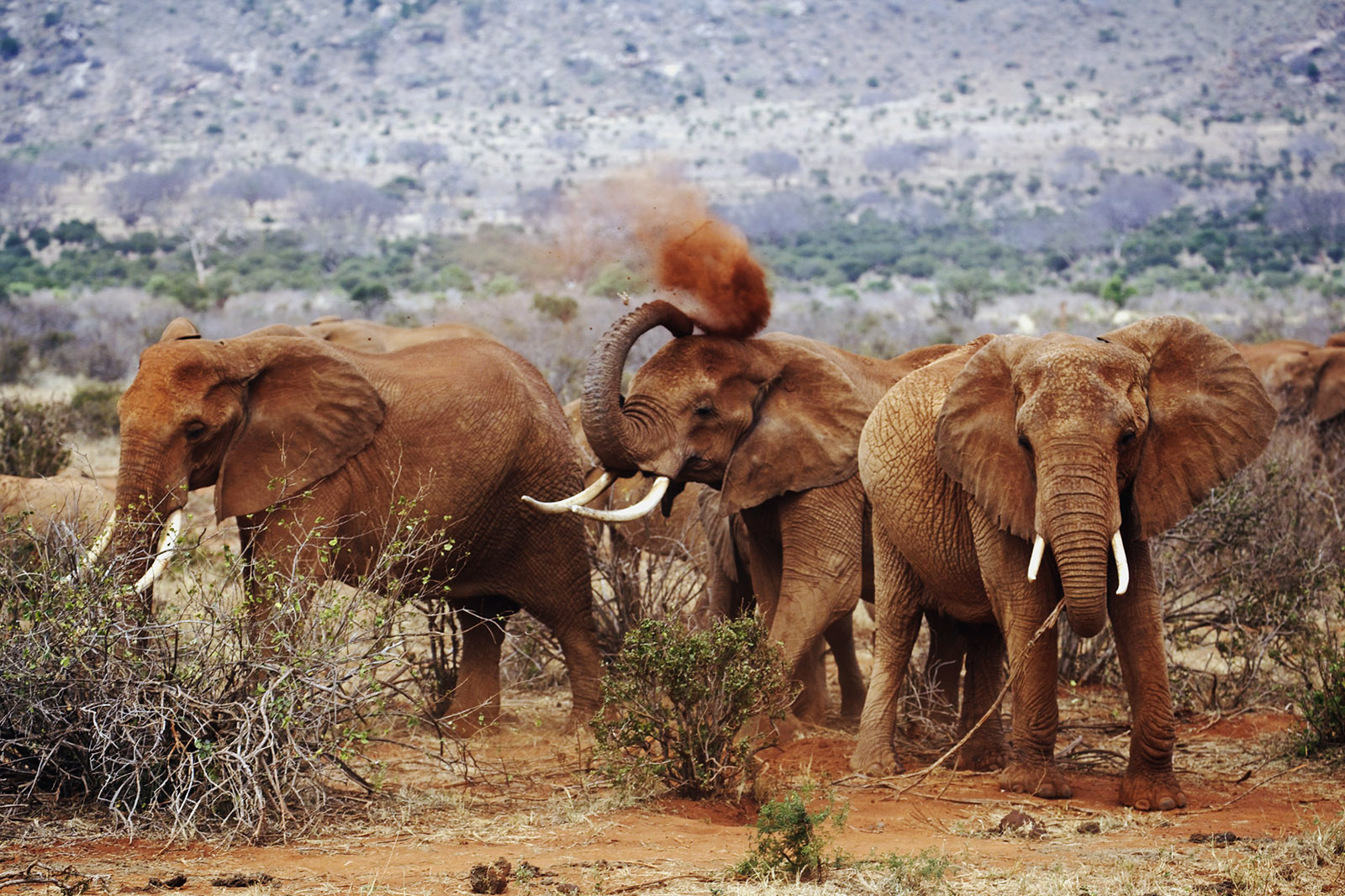
While the neighboring Tsavo East National Park is celebrated for its vast open plains and famous red elephants, Tsavo West feels more mountainous, green, and geologically diverse. Travelers can begin the morning beside the transparent waters of Mzima Springs, cross a dark lava field in the afternoon, and watch the evening light settle over distant hills from a panoramic viewpoint. This combination of wildlife, geology, scenery, birdlife, and history gives the park a character unlike anywhere else in Kenya.
Tsavo West also rewards travelers who prefer a safari with variety rather than nonstop driving across open savannah. Its attractions invite visitors to slow down, observe the landscape, and understand how water, volcanic activity, vegetation, and wildlife have shaped this extraordinary ecosystem. When included in a customized itinerary from Ngeye Uganda Tours, the park can be explored independently or combined with Tsavo East, Amboseli, Kenya’s coast, and other destinations featured in our East African safari packages.
Quick answer: The principal attractions in Tsavo West include Mzima Springs, Shetani Lava Flow, Chaimu Crater, Roaring Rocks, Poacher’s Lookout, Lake Jipe, Ngulia Hills, the expanded Tsavo West rhino-conservation landscape, scenic game-drive circuits, rich birdlife, and optional extensions to the neighboring Chyulu Hills.
Why Is Tsavo West National Park Worth Visiting?
Tsavo West is worth visiting because it combines several different safari environments within one protected landscape. Open grasslands merge with dense bush, rocky ridges, wooded valleys, volcanic cones, natural springs, and wetlands. Each habitat supports different plants and animals, giving visitors opportunities to enjoy changing scenery throughout the day.
The park forms part of the wider Tsavo ecosystem, one of Kenya’s most important wildlife landscapes. Elephants, buffaloes, giraffes, zebras, antelopes, lions, leopards, cheetahs, hippos, crocodiles, and numerous smaller species may be encountered, although wildlife is wild and sightings can never be guaranteed. Tsavo West’s thicker vegetation can make animals more challenging to locate than on completely open plains, but this often makes each successful sighting feel more rewarding.
Its position also makes it valuable for multi-destination travel. Tsavo West can be connected with Tsavo East, Amboseli National Park, Nairobi, Mombasa, and Kenya’s Indian Ocean beaches. Travelers can therefore combine wildlife viewing with volcanic scenery, birdwatching, photography, relaxation, and a coastal holiday.
Major Attractions in Tsavo West at a Glance
| Attraction | Why Visit? | Planning Consideration |
|---|---|---|
| Mzima Springs | Clear spring water, aquatic life, shaded scenery, and possible hippo or crocodile sightings. | Wildlife presence, visibility, paths, and viewing facilities may vary. |
| Shetani Lava Flow | A dramatic field of dark volcanic rock formed by historical eruptions. | Remain within authorized areas because the surface is sharp and uneven. |
| Chaimu Crater | A distinctive volcanic cone with impressive surrounding scenery. | Walking access depends on current park regulations, weather, and safety conditions. |
| Roaring Rocks | Elevated views across the plains, hills, and surrounding wilderness. | Visibility is best when weather and atmospheric conditions are clear. |
| Poacher’s Lookout | Panoramic views and possible distant views of Mount Kilimanjaro. | Mountain views are weather-dependent and cannot be guaranteed. |
| Lake Jipe | Wetland scenery, waterbirds, and possible sightings of aquatic and terrestrial wildlife. | Access and activities should be confirmed when designing the itinerary. |
| Ngulia Hills and Rhino Area | Important rhino conservation, rugged scenery, and seasonal bird migration. | Security restrictions apply, and rhino sightings are never guaranteed. |
Mzima Springs: A Clear-Water Oasis in the Wilderness
Mzima Springs is among the best-known attractions in Tsavo West National Park. Its clear water emerges from underground systems connected to rainfall that filters through the volcanic landscapes of the neighboring Chyulu Hills. After traveling beneath ancient lava formations, the water rises at Mzima and creates a green oasis surrounded by palms, fig trees, and other riverine vegetation.
The springs support fish and other aquatic life and are associated with hippos and Nile crocodiles. Visitors may also encounter monkeys, birds, and smaller animals around the wooded margins. Sightings vary according to the time of day, water conditions, animal movements, and the areas accessible during the visit.
Mzima Springs provides a refreshing contrast to the warmer, drier plains surrounding it. Depending on current park arrangements, travelers may follow designated paths and use approved viewing points to appreciate the spring environment. Visitors must always follow ranger instructions and remain within authorized areas because potentially dangerous wildlife inhabits the water and surrounding vegetation.
Shetani Lava Flow: Tsavo West’s Dark Volcanic Landscape
Shetani Lava Flow is one of the most striking geological attractions in Tsavo West. The enormous expanse of hardened black rock was created by volcanic activity centuries ago and remains a dramatic reminder of the forces that shaped this region.
The name “Shetani” is derived from a Swahili word associated with a devil or malevolent spirit. Local interpretations developed when earlier communities encountered the dark, steaming landscape without modern geological explanations. Today, the lava flow offers visitors an opportunity to observe a relatively young volcanic formation within an African wildlife park.
The surface can be extremely sharp, unstable, and hot under direct sunlight. Travelers should therefore avoid wandering across the lava without authorization. The attraction is best experienced from approved stopping points accompanied by a professional guide who can explain its geology and relationship with the wider Tsavo landscape.
Chaimu Crater: Volcanic Scenery and Elevated Views
Chaimu Crater is another prominent reminder of Tsavo West’s volcanic history. Its dark cone rises above the surrounding plains and creates a compelling photographic subject, particularly when seen against the park’s contrasting vegetation and distant hills.
When access is permitted, exploring the crater area can add a physical and geological dimension to a safari. However, the loose volcanic surface, heat, wildlife presence, and steep terrain require caution. Walking arrangements should always be confirmed locally, and travelers must follow all instructions issued by park authorities or their guide.
Even when hiking is unavailable, the crater remains worthwhile as a scenic stop. It helps visitors understand why Tsavo West feels so different from Kenya’s open grassland reserves: volcanic activity has influenced its soil, drainage, vegetation, water systems, and dramatic topography.
Roaring Rocks and Poacher’s Lookout
Roaring Rocks is an elevated viewpoint offering broad perspectives across Tsavo West’s rugged wilderness. On a clear day, visitors can appreciate the park’s layered landscape of plains, rocky formations, wooded areas, and distant ridges. It is particularly rewarding for landscape photography and for understanding the vast scale of the protected ecosystem.
Poacher’s Lookout is another scenic location that historically provided wide visibility over the surrounding country. When atmospheric conditions permit, the viewpoint may reveal distant landscapes and possible views toward Mount Kilimanjaro. Cloud, haze, dust, and seasonal weather influence visibility, so a clear view of the mountain should be treated as a welcome possibility rather than a guarantee.
These viewpoints can be especially attractive in the softer light of the morning or late afternoon. Their inclusion depends on the chosen gate, accommodation location, daily route, and road conditions.
Lake Jipe: Wetlands, Birds, and Borderland Scenery
Lake Jipe lies along the Kenya–Tanzania border in the southern part of the Tsavo landscape. It introduces travelers to a quieter wetland environment characterized by aquatic vegetation, surrounding hills, birdlife, and wildlife moving through nearby habitats.
The lake and its wetlands may support hippos, crocodiles, elephants, waterbirds, and numerous other species. It is especially interesting for travelers who enjoy birdwatching, landscape photography, and less frequently visited safari areas. Water levels, access routes, wildlife distribution, and available activities can change, making advance planning important.
Lake Jipe is not included in every standard Tsavo itinerary because of its location. Travelers particularly interested in visiting it should discuss the experience during the itinerary-design stage so that enough time can be allocated.
Ngulia Hills and Tsavo’s Rhino-Conservation Landscape
The Ngulia Hills create one of Tsavo West’s most recognizable landscapes. Rising prominently above the surrounding wilderness, the hills provide habitat for wildlife and form an important landmark within the park.
The Ngulia area is internationally associated with black-rhino conservation. The former fenced sanctuary was expanded substantially in 2025 into a much larger secure conservation landscape within Tsavo West. This expansion created more room for rhinos while supporting long-term population growth and ecological management.
Rhinos remain difficult to locate because of the size of the landscape, dense vegetation, natural animal movements, and necessary security controls. A visit should therefore be appreciated as an opportunity to learn about conservation rather than a guaranteed rhino encounter. Certain roads or areas may also be restricted to protect wildlife and support security operations.
Ngulia is additionally known among bird enthusiasts for seasonal migrations involving Palearctic birds. Specialist birding experiences require suitable timing, patience, and current local guidance.
Important geographical note: Chyulu Hills National Park is a separate protected area located northwest of Tsavo West. It is an excellent optional extension and an important source of the underground water feeding Mzima Springs, but it should not be described as an attraction located inside Tsavo West National Park.
Wildlife Game Drives in Tsavo West
Game drives remain central to the Tsavo West experience. Elephants, buffaloes, giraffes, zebras, warthogs, baboons, antelopes, and other herbivores inhabit the park. Lions may also be encountered, while leopards and cheetahs are generally more elusive.
Wildlife viewing differs from the experience in completely open reserves. Tsavo West’s bush, woodland, rocks, and hills can conceal animals, meaning travelers may need more time and careful observation. This environment makes the knowledge of an experienced guide particularly valuable.
Waterholes, river courses, springs, and productive valleys often attract wildlife, especially during dry periods. Game drives scheduled around the cooler morning and late-afternoon hours may provide comfortable conditions and increased animal activity. Nevertheless, animal behavior remains unpredictable, and no ethical safari operator can promise a particular species or sighting.
Birdwatching in Tsavo West National Park
Tsavo West is rewarding for both casual birdwatchers and dedicated enthusiasts. Its varied habitats support raptors, waterbirds, woodland species, savannah birds, and seasonal migrants. Mzima Springs, Lake Jipe, riverine vegetation, open plains, and the Ngulia area each offer different birding possibilities.
Travelers interested in birds should carry binoculars and allow sufficient time at productive habitats. A private or customized safari is often preferable because it allows the vehicle to stop for smaller species that may be overlooked on a fast-moving general wildlife tour.
Visitors planning a specialist birding journey can combine Tsavo West with other Kenyan ecosystems through the customizable itineraries available on our safari packages page.
How Many Days Do You Need in Tsavo West?
Two nights can provide an introduction to Tsavo West, particularly for travelers following a longer Kenyan circuit. This duration may allow selected game drives and visits to accessible highlights such as Mzima Springs or the volcanic landscape, depending on lodge location and arrival time.
Three nights generally create a more relaxed and rewarding experience. The additional time gives travelers greater flexibility to explore different habitats, visit scenic viewpoints, search for wildlife, and respond to changing road or weather conditions.
Travelers combining Tsavo West with Tsavo East should consider approximately four to six nights across the two parks. This gives each destination adequate attention while reducing the pressure created by rushed transfers.
What Is the Best Time to Visit Tsavo West?
Tsavo West can be visited throughout the year. The generally drier periods from approximately June to October and January to February are popular because vegetation may be less dense, roads are often easier to navigate, and wildlife may concentrate around dependable water sources.
The greener months can be equally rewarding for travelers interested in dramatic skies, lush scenery, birdlife, photography, and fewer visitors. Rainfall patterns vary from year to year, and showers do not necessarily continue throughout every day.
The most suitable period therefore depends on personal priorities. Wildlife-focused visitors may prefer drier conditions, while landscape photographers and birdwatchers may appreciate the colors and activity associated with greener seasons.
Where Should You Stay in Tsavo West?
Tsavo West offers permanent lodges, tented camps, and safari accommodation in different locations and comfort categories. Selecting the right property requires more than comparing room prices. Its position in relation to park gates, game-drive circuits, Mzima Springs, volcanic attractions, and the next destination can significantly affect the itinerary.
A lodge near one attraction may be several hours from another because Tsavo West is large and travel occurs on park roads. Travelers should therefore choose accommodation according to their complete route rather than selecting a property solely because of photographs or promotional offers.
Ngeye Uganda Tours helps travelers compare suitable options according to budget, comfort expectations, location, travel season, family requirements, and the attractions they most want to experience.
What Should You Pack for Tsavo West?
Lightweight, breathable clothing in neutral colors works well during daytime game drives. Travelers should also carry a warm layer because early mornings and evenings can feel cool, especially in open safari vehicles or elevated areas.
Sun protection is essential, including a hat, sunglasses, sunscreen, and sufficient drinking water. Comfortable closed shoes are useful around designated walking areas and lodge grounds. Binoculars substantially improve both birdwatching and distant wildlife observation.
Photographers should bring charged batteries, spare memory cards, lens-cleaning materials, and secure protection against dust. A moderate telephoto lens is useful for animals, while a wider lens helps capture lava fields, hills, springs, and panoramic viewpoints.
Can Tsavo West Be Combined with Other Destinations?
Tsavo West is well positioned for combination safaris. Tsavo East adds expansive plains, large elephant populations, and contrasting scenery. Amboseli contributes wetlands, elephant viewing, and weather-dependent views of Mount Kilimanjaro. The Chyulu Hills can provide an additional landscape-focused extension, while Kenya’s coast introduces beaches and Indian Ocean relaxation.
Road transfers are possible from Nairobi, Mombasa, Amboseli, and Tsavo East, although journey times vary according to the selected gate, weather, road conditions, stops, and traffic. Scheduled or chartered flights may also be available, subject to current routes and operating conditions.
Travelers can explore more destination ideas through our guide to Kenya’s national parks or request a personalized itinerary through the Ngeye Uganda Tours contact page.
Responsible Travel in Tsavo West
Responsible behavior protects both visitors and wildlife. Guests should remain inside the safari vehicle unless they are at an officially designated area where leaving the vehicle is permitted. Animals must never be fed, surrounded, chased, or pressured for photographs.
Noise should be kept low around wildlife, and guides must respect viewing distances. Visitors should avoid littering and should not remove stones, plants, lava fragments, or other natural materials from the park.
Choosing professional guides and properly planned itineraries supports safer travel, local employment, conservation awareness, and a more respectful experience of the ecosystem.
Why Explore Tsavo West with Ngeye Uganda Tours?
A successful Tsavo West safari depends on intelligent routing. The park is extensive, its attractions are widely distributed, and road conditions can influence what is realistically possible each day. Professional planning helps travelers avoid exhausting schedules and spend more time enjoying the wilderness.
Ngeye Uganda Tours creates customized East African journeys based on travel dates, interests, preferred accommodation, available time, group composition, and budget. We help travelers combine wildlife viewing with Mzima Springs, volcanic scenery, viewpoints, birdwatching, conservation experiences, and suitable onward destinations.
Whether you are planning a private safari, family holiday, photographic journey, birding tour, honeymoon, or beach-and-bush itinerary, our team can design a route that reflects your priorities. Learn more about Ngeye Uganda Tours or contact our safari specialists to begin planning.
Plan Your Tsavo West Safari
Discover clear-water springs, volcanic landscapes, sweeping viewpoints, wildlife habitats, and one of Kenya’s most important conservation areas on a professionally designed safari.
Frequently Asked Questions About Tsavo West Attractions
What is the most famous attraction in Tsavo West?
Mzima Springs is one of the park’s most famous attractions because of its clear water, green surroundings, aquatic ecosystem, and possible sightings of hippos, crocodiles, fish, monkeys, and birds. Wildlife and viewing conditions vary.
Is Shetani Lava Flow inside Tsavo West?
Yes. Shetani Lava Flow is located within the Tsavo West landscape and is one of the park’s most dramatic geological attractions. Visitors should observe it from authorized areas because its hardened lava surface can be sharp and unstable.
Are the Chyulu Hills located inside Tsavo West?
No. Chyulu Hills National Park is a separate protected area neighboring the wider Tsavo–Amboseli region. The hills are closely connected to Tsavo West because water filtered through their volcanic formations helps supply Mzima Springs.
Can visitors see rhinos in Tsavo West?
Tsavo West supports important black-rhino conservation efforts, particularly within the expanded secure conservation landscape associated with Ngulia. Rhinos can be difficult to locate, and sightings cannot be guaranteed.
Can I see Mount Kilimanjaro from Tsavo West?
Mount Kilimanjaro may be visible from selected viewpoints when the atmosphere is clear. Cloud, haze, rain, and dust can obscure the mountain, so views are weather-dependent.
Is Tsavo West suitable for birdwatching?
Yes. Its wetlands, springs, wooded areas, hills, open plains, and seasonal migration routes create excellent birdwatching opportunities. Mzima Springs, Lake Jipe, and the Ngulia area are particularly interesting.
How many nights should I spend in Tsavo West?
Two nights provide an introductory visit, while three nights allow a more relaxed exploration. Travelers combining Tsavo West with Tsavo East should generally consider four to six nights across both parks.
Can Tsavo West be combined with a beach holiday?
Yes. Its southeastern location makes Tsavo West suitable for combination itineraries with Mombasa and other coastal destinations. The exact route and transfer time depend on the chosen accommodation, gate, road conditions, and beach destination.
Is Tsavo West suitable for families?
Tsavo West can be suitable for families when accommodation, driving times, meal arrangements, and activities are selected according to the children’s ages and interests. Parents should check lodge age policies and family-room availability before confirming.
Are wildlife sightings guaranteed in Tsavo West?
No. Tsavo West is a natural wilderness where animal movements vary with weather, water, vegetation, season, and other environmental conditions. Experienced guides improve the quality of wildlife searches but cannot guarantee specific sightings.