What Cultural Experiences Can You Enjoy with the Maasai People in Kenya?
What cultural experiences can you enjoy with the Maasai people in Kenya? Travelers can participate in community-hosted village visits, guided nature walks, storytelling sessions, traditional music and dance, beadwork demonstrations, livestock discussions, local food experiences, and conservation-focused activities. When arranged responsibly, these encounters provide meaningful opportunities to learn directly from Maasai hosts while ensuring tourism revenue supports local livelihoods.
Many travelers join Kenya Safaris to see lions, elephants, leopards, giraffes, cheetahs, and the seasonal wildebeest migration. However, Kenya’s appeal extends beyond its wildlife. Meeting local people and learning about their relationship with the landscape can provide a deeper understanding of the country.
Maasai communities live across parts of southern Kenya and northern Tanzania. Around the Masai Mara National Reserve, many Maasai families remain closely connected to pastoralism, livestock, community land, wildlife conservation, education, tourism, and modern business.
Maasai culture should not be presented as frozen in the past. Communities continue to preserve important traditions while adapting to education, technology, changing land use, climate pressures, conservation, and modern economic opportunities. A respectful cultural experience recognizes both the community’s heritage and its contemporary life.
Ngeye Uganda Tours incorporates carefully arranged cultural encounters into personalized Kenya wildlife safaris. Our goal is to create respectful exchanges in which visitors learn from their hosts, ask thoughtful questions, and contribute directly to community-led tourism.
Visit a Maasai Homestead with a Local Host
A community-hosted homestead visit is one of the most accessible ways to learn about Maasai life. These visits usually take place near the Greater Mara ecosystem and may be arranged through a camp, conservancy, community organization, or professional safari operator.
A local host may explain how the homestead is organized, how livestock is protected, how responsibilities are shared, and how daily life has changed over time. Visitors may also learn about education, water access, family structures, land ownership, wildlife coexistence, and the opportunities and challenges associated with tourism.
Traditional houses are commonly built using locally available materials. Construction methods and domestic arrangements can differ between communities, so travelers should allow their hosts to describe their homes in their own words instead of relying on simplified assumptions.
A quality visit should feel like a conversation rather than an exhibition. Travelers should be encouraged to ask respectful questions while giving hosts equal opportunity to share the subjects they consider important.
Experience Maasai Music, Singing and Dance
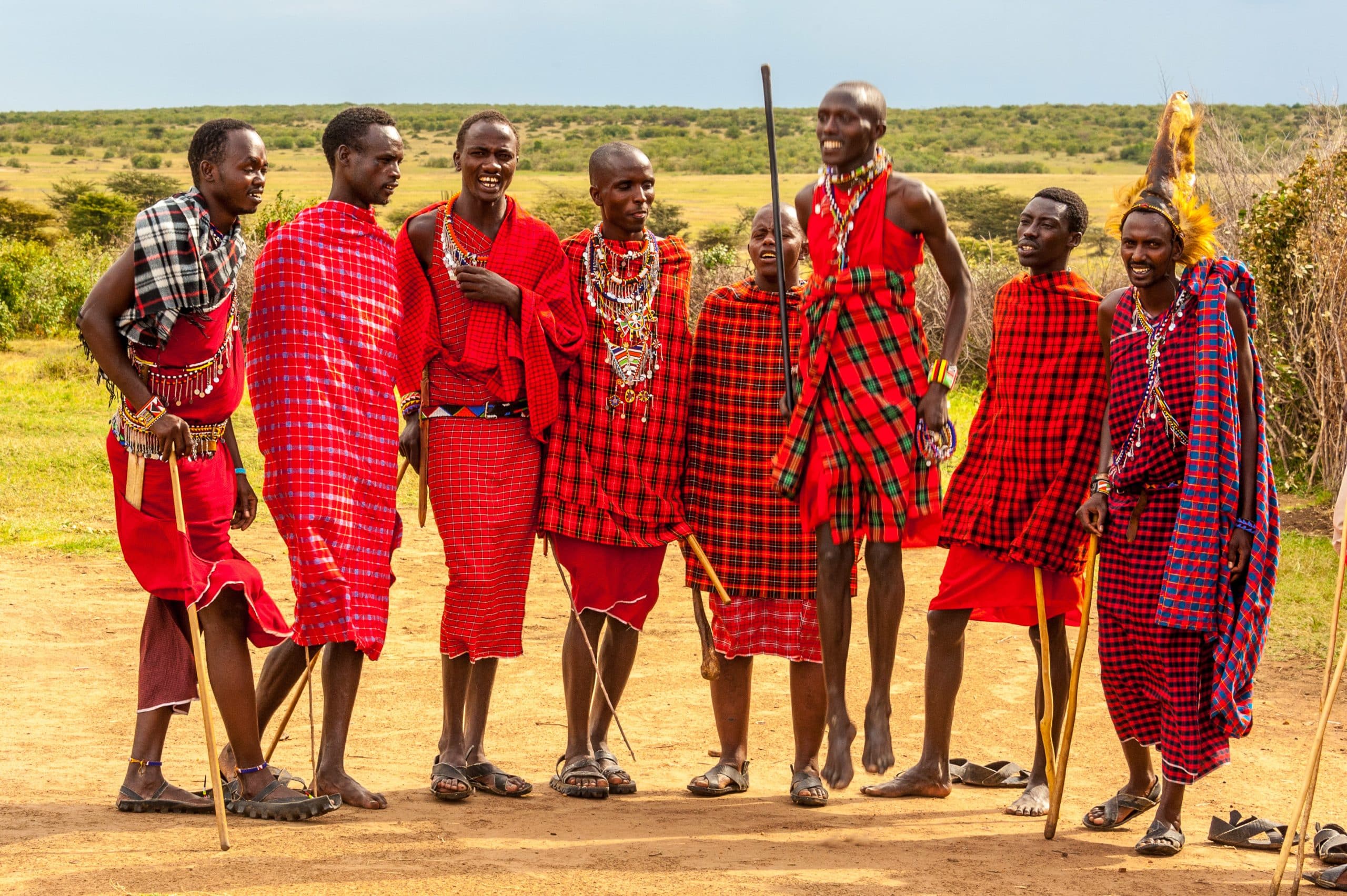
Music and dance can communicate history, identity, age, celebration, courage, courtship, and community unity. Songs may be performed through coordinated voices, rhythmic chanting, movement, and call-and-response patterns.
Visitors may witness the well-known jumping dance, often associated with young Maasai men. However, it is important not to reduce Maasai cultural expression to jumping alone. Different songs and performances have different social meanings, and a local host or cultural guide can explain the context more accurately.
Guests may sometimes be invited to participate. Joining respectfully can create a joyful exchange, but participation should follow the guidance of community members. Travelers should avoid copying sacred or ceremonial practices without understanding their meaning.
Learn About Maasai Beadwork and Its Meanings
Maasai beadwork is recognized for its detailed patterns and vivid colors. Necklaces, bracelets, belts, earrings, and other decorative pieces may communicate identity, aesthetic preferences, social relationships, or important life events.
During a beadwork demonstration, local artisans can explain how individual pieces are designed and produced. Some experiences allow visitors to try basic techniques under the direction of an experienced craftsperson.
Purchasing beadwork directly from its maker is one of the most practical ways to support local women and artisans. Travelers should ask whether the price goes directly to the creator or a transparent community project. Respectful purchasing is preferable to aggressive bargaining over handmade work that may require many hours to complete.
Visitors should also ask before photographing individual artisans or their products. Buying an item does not automatically provide permission to photograph its maker.
Join a Guided Nature or Conservation Walk
Guided walks led by Maasai hosts can reveal a different side of the savannah. Local guides may interpret animal tracks, bird calls, grazing patterns, weather signs, medicinal plants, livestock routes, and the relationships between people, wildlife, and available natural resources.
Such walks are especially valuable in community conservancies surrounding the Masai Mara. Conservancies protect wildlife habitat while providing participating landowners and communities with tourism-related income and employment.
Activities depend on local regulations, wildlife conditions, guide qualifications, and the location of the walk. Guests must follow safety instructions and should never leave an authorized area without a trained guide.
A nature walk should not be advertised as proof that all Maasai people live in the same way or possess identical knowledge. Hosts have different backgrounds and experiences, and their individual perspectives are part of what makes each encounter valuable.
Discover the Importance of Livestock
Livestock—particularly cattle—has long held economic, nutritional, social, and cultural importance in Maasai life. A community visit may explain how families manage grazing, identify animals, protect herds, respond to drought, and reduce conflict between livestock and predators.
These conversations can help travelers understand why wildlife conservation cannot be separated from the needs of people living beside protected areas. Lions, hyenas, leopards, and other predators may threaten livestock, while changing rainfall and reduced grazing land can place additional pressure on pastoral households.
Community conservation programs increasingly connect tourism revenue, habitat protection, predator compensation, employment, and sustainable livelihoods. Learning about these realities adds depth to a Kenya safari and moves the discussion beyond romanticized images of pastoral life.
Listen to Stories from Community Elders and Guides
Storytelling provides an opportunity to learn about family histories, migration, relationships with the land, social values, wildlife, and community change. Oral knowledge can help visitors understand experiences that are not always represented in mainstream safari narratives.
A good storytelling session is interactive. Travelers may ask about education, marriage, conservation, ceremonies, changing livelihoods, or relationships between generations. Hosts should decide which topics they are comfortable discussing.
Some knowledge, rituals, and ceremonies may be private or restricted. Responsible travelers should accept these boundaries rather than expecting access to every aspect of community life.
Take Part in a Community-Led Food Experience
Depending on the community and itinerary, visitors may be invited to learn about local food preparation and the role of livestock, grains, milk, vegetables, and other available ingredients. Culinary practices vary between households and continue to change, so no single meal should be presented as representing every Maasai family.
Travelers with allergies, religious requirements, medical conditions, or dietary preferences should provide this information before the visit. Participation should always be optional, and food should only be consumed when prepared under suitable hygiene conditions.
Food experiences are most meaningful when hosts can explain why particular ingredients or preparation methods matter to them. This transforms a meal from simple consumption into genuine cultural learning.
Visit Community Education and Development Projects
Some cultural itineraries may include a community school, women’s enterprise, health initiative, water project, or conservation program. These visits can help travelers understand how tourism revenue contributes to local priorities.
However, schools and children should never be treated as tourist attractions. Visits must be authorized, appropriately timed, and managed in a way that does not interrupt learning or compromise children’s dignity and privacy.
Travelers wishing to support a project should ask which contributions are genuinely needed. Direct financial support through a transparent organization is often more useful than bringing unrequested sweets, pens, clothes, or other items that may create inequality or dependency.
Stay in or Visit a Community Conservancy
The private and community conservancies surrounding the national reserve form an important part of the Greater Mara ecosystem. Many involve agreements through which local landowners make land available for conservation and tourism while receiving income or other benefits.
Staying in a conservancy can help travelers understand how tourism, grazing, wildlife protection, employment, and community land management interact. Depending on the property and applicable regulations, conservancy experiences may include guided walks, night drives, cultural discussions, conservation presentations, and visits with local hosts.
Community-conservancy models are not all identical, and benefit-sharing arrangements vary. Travelers should select operators and accommodations that can explain how landowners, employees, women, young people, and community projects benefit from tourism.
How Can You Make a Maasai Cultural Visit Respectful?
Ask Before Taking Photographs
Always request permission before photographing or recording an individual, a family, a house, a ceremony, or children. Accept a refusal politely and without argument.
Listen Before Making Assumptions
Allow community members to describe their identities, beliefs, and daily lives in their own words. Avoid treating one person’s account as representative of every Maasai community.
Dress and Behave Respectfully
Modest, comfortable safari clothing is appropriate. Follow your host’s guidance and avoid touching personal belongings, livestock, homes, or ceremonial objects without permission.
Pay Transparent Community Fees
Confirm how cultural-visit payments are distributed. Responsible arrangements should compensate guides, performers, artisans, hosts, or agreed community initiatives fairly.
Avoid Unrequested Gifts
Do not distribute sweets, cash, stationery, or personal items directly to children. Ask community leaders or the organizing project what form of support would be most useful.
Purchase Crafts Responsibly
Buy directly from local makers or transparent cooperatives whenever possible. Fair purchasing helps ensure artisans benefit from their knowledge and work.
How Do Cultural Experiences Complement a Masai Mara Safari?
A cultural experience provides context that a game drive alone cannot offer. Wildlife does not live in isolation from people. Much of the Greater Mara ecosystem includes community land, grazing areas, settlements, conservancies, tourism facilities, and important wildlife corridors.
Learning from people who live within this landscape helps travelers understand the complexity of conservation. Protecting wildlife requires habitat, local support, economic alternatives, conflict-management strategies, and tourism systems that distribute benefits fairly.
A balanced Masai Mara itinerary may include several game drives, a community-led cultural visit, a nature walk where permitted, time at a conservancy, and an optional Great Migration experience.
Travelers with more time can combine the Mara with other Kenya safari destinations or continue to Uganda and Rwanda for primate, cultural, and wildlife adventures.
When Is the Best Time for Maasai Cultural Experiences?
Community-hosted cultural visits may be available throughout the year because they are not dependent on the seasonal presence of migratory wildlife. The most appropriate timing depends on community schedules, road conditions, weather, and the wider safari itinerary.
June to October
This is a popular period for Masai Mara safaris because conditions are generally drier and migratory herds may enter the ecosystem. Demand is high, so accommodation, game drives, and cultural activities should be arranged early.
December to February
These months can provide good general wildlife viewing and comfortable conditions for outdoor activities. They are suitable for travelers combining game drives with village visits and guided community experiences.
March to May and November
The wetter and greener periods often bring fewer visitors, beautiful landscapes, and excellent birdlife. Some unpaved roads may become more difficult, but cultural experiences can still be arranged when local conditions allow.
How Long Should a Maasai Cultural Experience Last?
A short visit may last approximately one or two hours, while deeper experiences can occupy half a day or longer. The ideal duration depends on the activities, community preferences, travel schedule, and whether the program includes a walk, craft session, meal, or conservation discussion.
Travelers should avoid squeezing a cultural visit between tightly scheduled game drives. Allowing sufficient time creates space for conversation and prevents the interaction from feeling rushed or transactional.
Why Choose Ngeye Uganda Tours for a Maasai Cultural Safari?
Ngeye Uganda Tours creates personalized East African journeys combining wildlife encounters with meaningful cultural learning. We select experiences according to traveler interests while prioritizing consent, dignity, local participation, and transparent community benefits.
Our team coordinates accommodation, transport, professional safari guides, game drives, conservation experiences, and community-hosted activities. We also provide cultural-etiquette guidance so that guests arrive prepared to interact respectfully.
Whether you are planning a private family journey, honeymoon, photography safari, group adventure, or multi-country East African itinerary, we can design an experience that balances wildlife, culture, comfort, and responsible tourism.
Plan a Meaningful Kenya Cultural Safari
Combine the wildlife of the Masai Mara with a respectful, community-led cultural encounter that creates lasting memories and supports local hosts.
Frequently Asked Questions
What Maasai cultural experiences can travelers enjoy?
Experiences may include community-hosted homestead visits, music and dance, beadwork demonstrations, guided nature walks, storytelling, livestock discussions, food preparation, and conservation-focused activities.
Are Maasai cultural visits available throughout the year?
Yes. Many experiences can be arranged throughout the year, although availability depends on community schedules, weather, road conditions, and the location of the safari camp.
Can I photograph Maasai people during a visit?
Only with permission. Travelers should ask before photographing or recording individuals, children, homes, crafts, livestock, and ceremonies.
How can I ensure my visit benefits the community?
Choose a community-hosted experience with transparent fees, employ local guides, buy crafts directly from artisans, and ask how tourism income supports local priorities.
Should I bring gifts for children?
Unrequested gifts should not be distributed directly to children. Ask the organizing community or a transparent local project what support would be appropriate and useful.
Can a Maasai cultural experience be combined with wildlife viewing?
Yes. A cultural visit can easily be included in a Masai Mara safari alongside game drives, birdwatching, conservancy activities, photography, and the seasonal Great Migration.